It is hard to know what to say in the face of loss, but I wanted to meet this moment as best I could. There are people in life that help shape who you are, who help shape who you become, and Dale Walksler was very much one of those people for me. Through his generosity and kindness, through his encouragement and support, and through his seemingly limitless knowledge and enthusiasm for old motorcycles, he helped me discover and explore something in myself which has been invaluable.
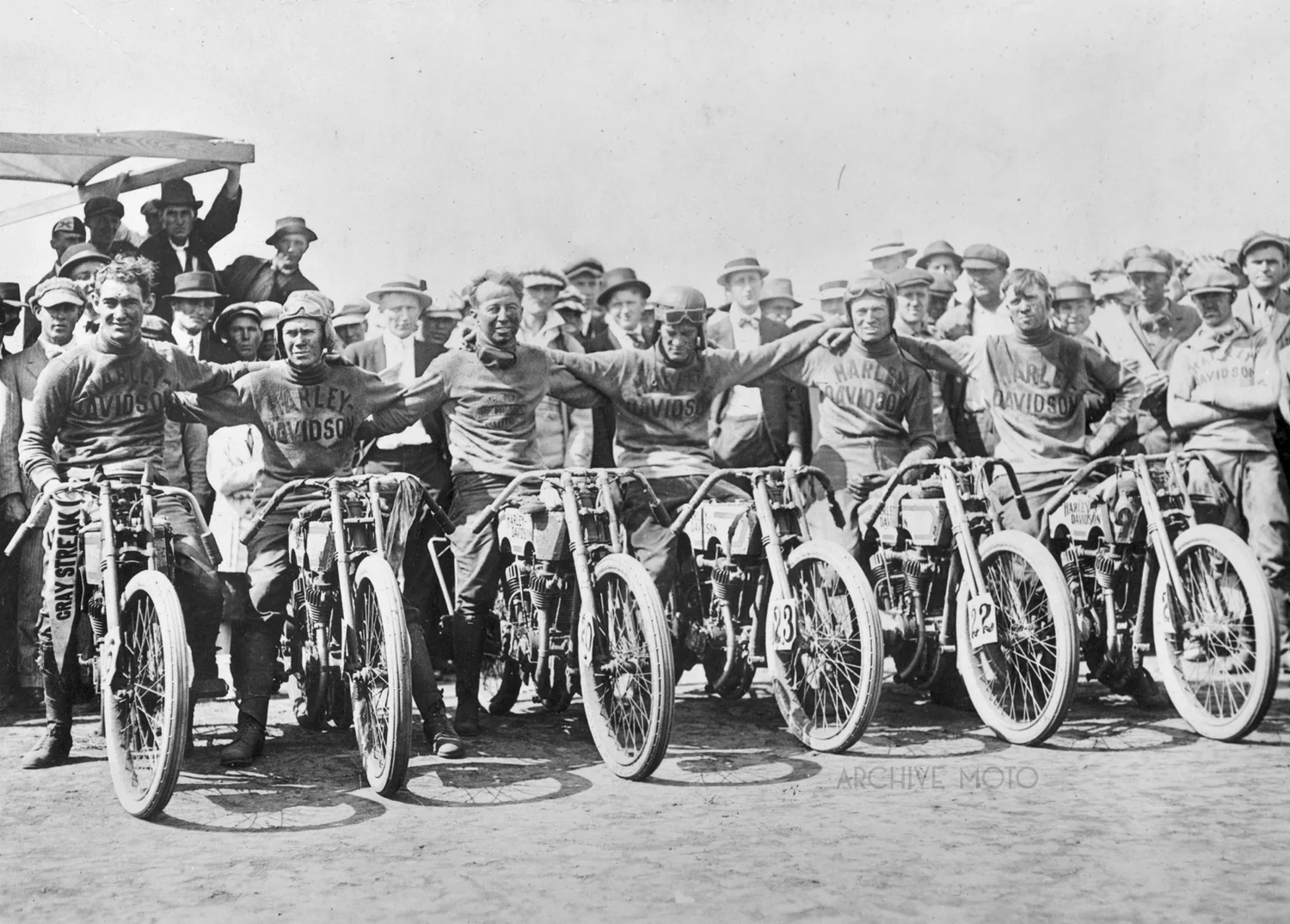
It was his distinctive posture, the way his long back arched high above his shoulders when he tucked in on Harley-Davidson, that earned him the nickname "Camelback." Harry Otto Walker was and will forever be one of America's most popular and recognizable motorcycle racers for a good reason. He was one of the first racers handpicked by Harley-Davidson's Bill Ottaway in 1914 as he began forming the Motor Co.'s first factory racing program. It was Walker who won the first official factory victory at the International Grand Prize 300-Mile Road Race in Venice on April 11th, 1915.
In a recent article, The Grind of a Speeding Phantom, we looked into the 24-Hour distance record set by Wells Bennett on Tacoma's board track speedway in 1922. Bennett's accomplishment of riding 1,562 miles that day onboard his Henderson DeLuxe 4 cylinder took tremendous stamina and grit. Still, Bennett was, after all, an iron-assed veteran racer and a well-paid professional. This week's article takes us back to the timbers of the Tacoma Speedway once again for yet another 24-hour record attempt made by a very different man on a very different machine back in 1918.
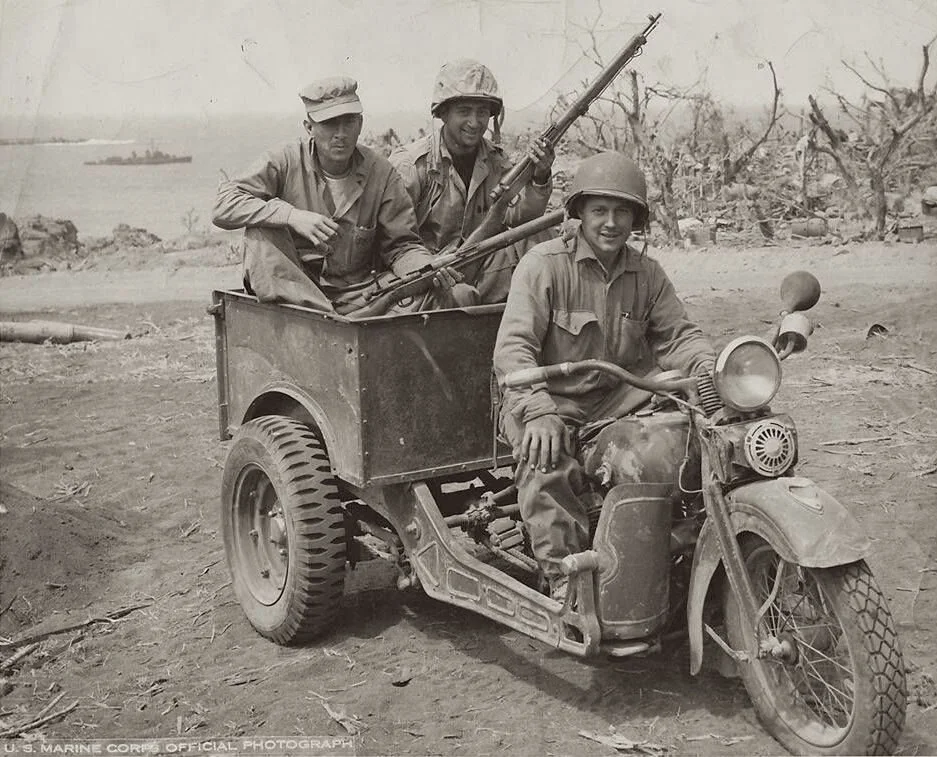
The three Devil Dogs pose onboard one of the Japanese produced Harley-Davidson VL models, a remnant of the Japanese/Harley licensing deal brokered during the dire days following the crash in 1929. Tens of thousands of these sturdy side-valve Milwaukee v-twins were produced in the 1930’s by the Sankyo Company under licensed blueprints, tooling, and branding sold to them by Harley-Davidson. Following a falling out between the two companies in 1936 however, the machines were rebranded as Rikuo and sold without license through the outbreak of WWII, and again for a period following the war. There were also a number of VL clones produced in those years, many which incorporated this more industrial utility-trike chassis by the Aikuo, Toko Kogyo, SSD, and Kurogane companies.