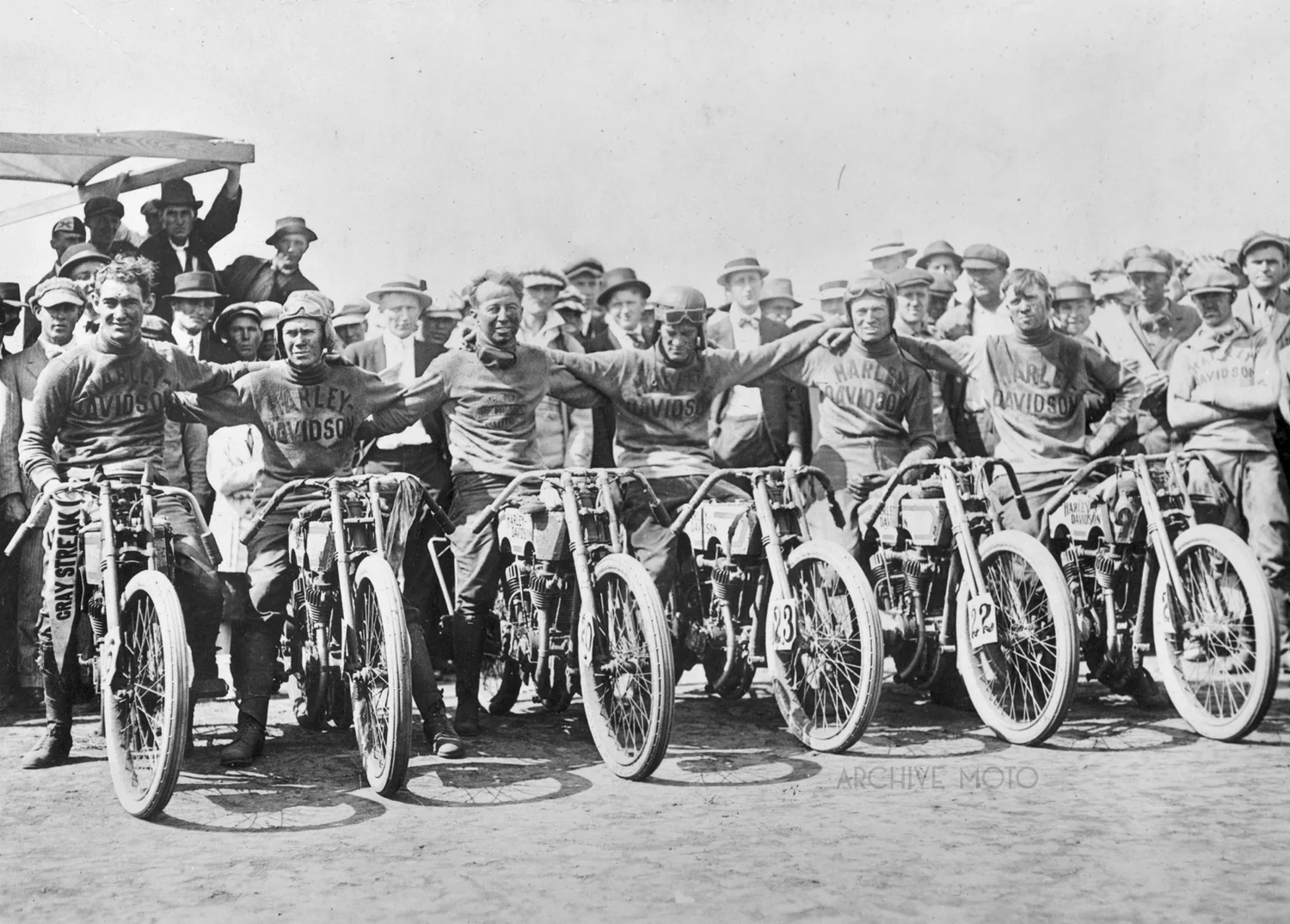
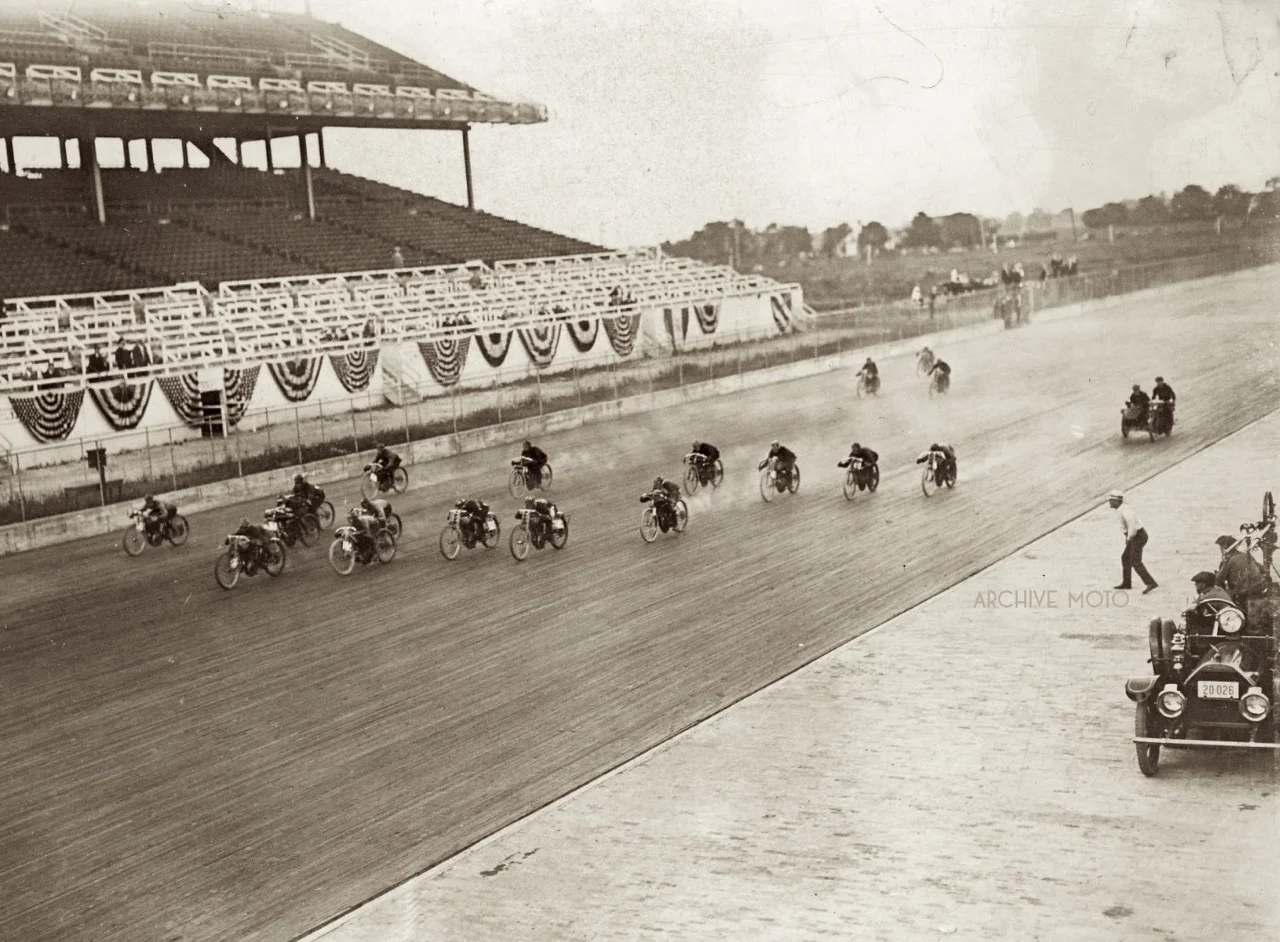
Mired in the depths of the Great Depression, it was in 1932 that a group of southern motorcycle dealers came together under the name of the Southeastern Motorcycle Dealers Association with a plan to bolster their dwindling sales. The motorcycle industry in America had atrophied since the explosion of manufacturers before WWI, and with the closing of the Excelsior shop in 1931 only Harley-Davidson and Indian remained. In their own bid for driving depression-era sales each of the companies offered rugged and reliable side valve engine platforms and an array of vibrant colors. The sport of professional racing had taken a hit with the country’s economic downturn as well. The golden age of big names stars, top-fuel machines, and thrilling board tracks were gone, having given way to highly specialized and costly Class A competition which was then focused mostly on 1/2 mile dirt track speedway races, near vertical hill climbs, and straight line speed records. However, the gentlemen of the Southeastern Motorcycle Dealers Association had a brilliant idea… get the everyday enthusiast back into the racing game themselves and you would revitalize the marketplace.
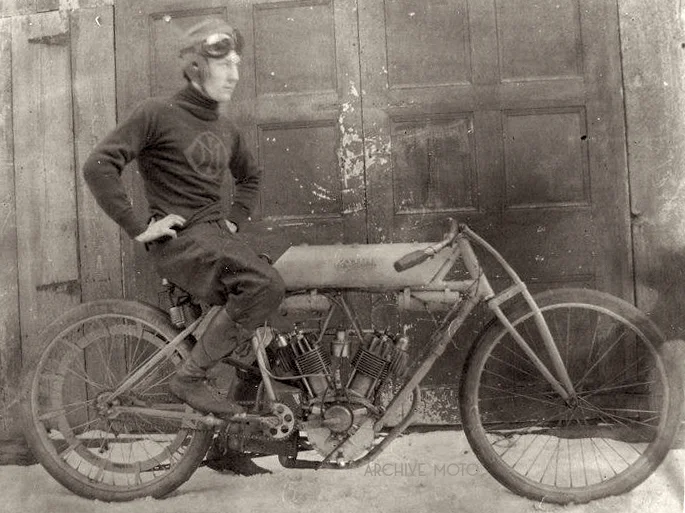
The association organized their first event in April of 1932, opting to utilize 3.3 miles of the now two decade-old Grand Prize road circuit in Savannah, Ga. The race was a 200 mile TT style road race for stripped stock machines, and on the day of the big event 13 men lined up in hopes of capturing the glory, and the $500 prize. A local enthusiast, Ralph Edwards, who had already established his reputation for being a skilled competitor crossed the line first in ’32 on board his own Harley-Davidson, and though not quite as successful as the association had hoped for, the idea of organized competition for “owner-racers” would stick. For the 1933 race the date was pushed back to the 4th of July weekend and the entry list grew to 23 competitors. Longtime AMA Secretary E.C. Smith was later quoted as saying that this race in Savannah in would mark the birth of a new class of competition, one which would grow to become the most popular form of the sport for the coming decades, the AMA Class C. Another local racing enthusiast, Bert Baisden claimed the victory and the $500 in 33 onboard his Harley-Davidson. Baisden, seen here onboard his Harley-Davidson RL in this photo from around 1934 was an avid racer, winning championship road races and hill climbs throughout the 1930’s, but as a non-professional it was the advent of Class C competition that allowed him to secure his place in American motorcycle history.
The 200 mile race became an AMA National Championship in 1934 and relocated to a new course at Camp Foster, near Jacksonville, FL. Yet another Savannah native, Bremen Sykes wound out a Harley-Davidson for the win, beating the field of 35 entrants, including his friend Baisden who came in 3rd, and becoming the first AMA National Champion on the books. Shortly after Sykes’ victory Harley-Davidson began running their “Ride a Winner” advertising campaign touting the success of their rugged, reliable, and fast side valve Rl and VL machines. The race was again staged in Jacksonville in 1934, being won for the first time by an Indian ridden by Rody Rodenberg. As Class C competition began to rise in popularity, both Harley-Davidson and Indian realized the potential in this “everyman’s” competition and development quickly focused not more on improving their stock models rather than their competition purebreds, and with factory focus so too came a new breed of professional class of riders. In 1936 the 200 mile National Championship race returned to the road course in Savannah, attracting riders from all over the country. Now a national event with national publicity, the Savannah 200 had grown into a major competition in American motorcycle racing and helped to revitalize a region, an industry, and a sport. Ironman Ed Kretz onboard an Indian bested the 72 entrants at Savannah in 1936, and would go on to repeat his victory at a brand new course the next year, one which would remain a cornerstone of American competition for decades to come… Daytona.
Motorcycle racing in Daytona would go onto become an American institution, as would the legendary men who would compete for Indian, Harley, and an eventual invasion of imported makes. However, it was men like Bert Baisden, the everyman's champion, one of the fore father’s of Class C competition, and events like the Savannah 200 that helped to pull an industry, and a sport from the brink.
Read more about the birth of AMA Class C racing and the many roles in which the Georgia motorcycle culture of the 1930’s had to play in the pages of Georgia Motorcycle History, available now HERE.